What Makes Invisalign Calabasas CA Different From Traditional Braces?

Choosing between Invisalign and traditional braces is rarely just a cosmetic decision. It touches comfort, scheduling, budget, discipline, and how willing someone is to change daily habits for the next year or two. In a place like Calabasas, where many patients balance work meetings, school activities, public-facing jobs, and packed family calendars, those practical differences matter as much as the clinical ones.
People often begin with a simple question: which option straightens teeth better? The better question is usually more specific. Better for whom, better for what kind of bite problem, and better under which lifestyle conditions? Invisalign and braces can both produce excellent results, but they do it in very different ways. The right choice depends on how teeth need to move, how consistent the patient can be, and what trade-offs feel manageable in real life.
The biggest difference starts with how teeth move
Traditional braces use brackets attached to the teeth and a wire that the orthodontist adjusts over time. That constant mechanical force can be extremely effective, especially in cases involving significant rotation, vertical movement, bite correction, or teeth that need stronger directional control. Braces do not rely on patient memory to stay active. Once they are on, they are working.
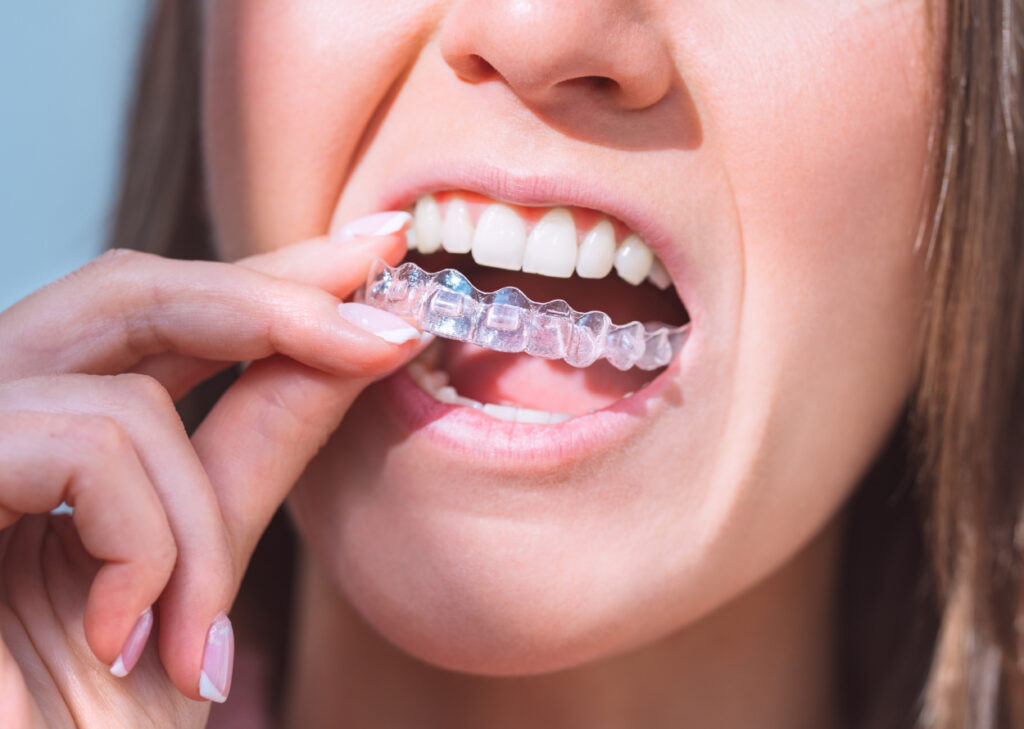
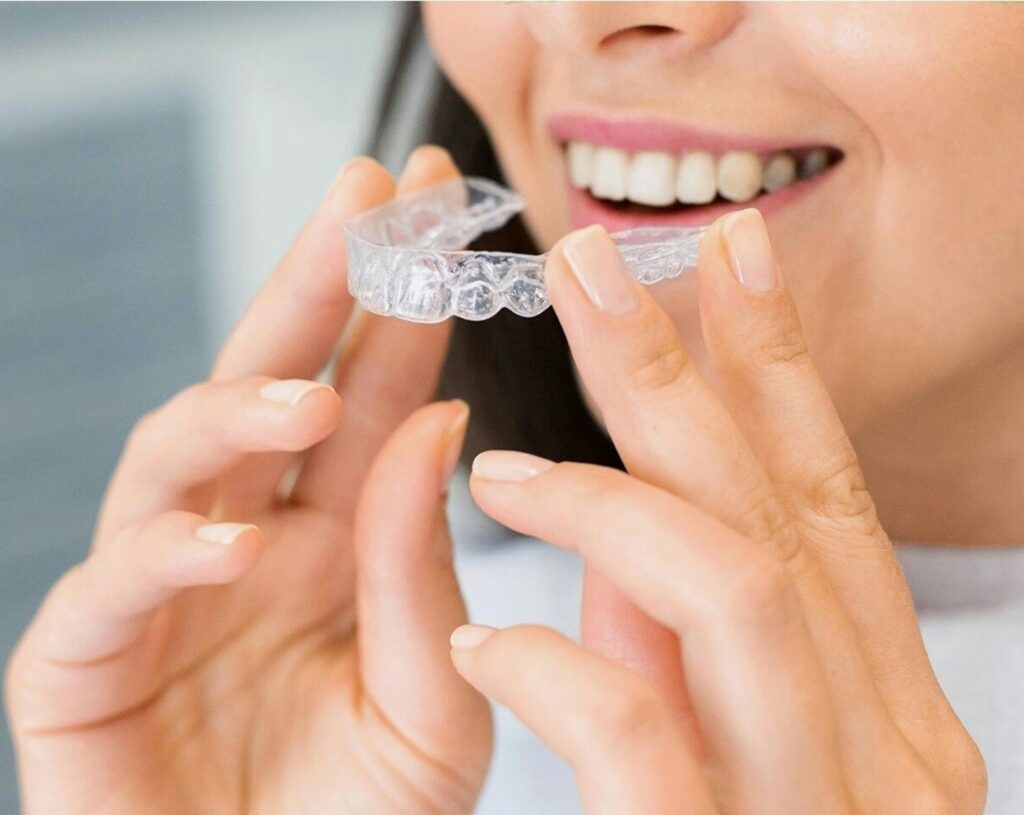
Invisalign uses a series of clear, custom-made aligners that fit over the teeth. Each set is designed to make small, planned changes, and the patient moves from one set to the next according to the treatment schedule. Attachments, which are small tooth-colored shapes bonded to certain teeth, often help the aligners grip and guide movement more precisely. In many straightforward and moderate cases, this system works beautifully. It can also treat more complex cases than many people assume, but its success depends heavily on planning, compliance, and careful monitoring.
That distinction matters. A patient with mild crowding and a strong habit of following instructions may do exceptionally well with Invisalign Calabasas CA Invisalign. A patient with severe bite issues, inconsistent routines, or a tendency to lose removable appliances may finish faster and more predictably in braces.
Appearance is the obvious difference, but not the only one
Most people first notice that Invisalign is clear and removable, while braces are visible and fixed. For many adults and teens, that alone is persuasive. A trial attorney, a real estate professional, an actor, a teacher, or a teenager preparing for senior photos may care deeply about how treatment looks during conversations, presentations, or social events.
Invisalign has an advantage here. The aligners are discreet from normal conversational distance, and the attachments are usually much less noticeable than metal brackets. Photos tend to look more natural. Patients who feel self-conscious about orthodontic treatment often relax once they realize most people will not notice the trays unless they are looking closely.
Still, aesthetics can be oversimplified. Clear aligners are not invisible in every setting. Up close, they can catch light. They may affect speech slightly during the first few days. If the trays are not kept clean, they can look cloudy. Attachments can show on certain teeth. On the other side, braces are more visible, but many patients adapt faster than expected, and ceramic braces can soften the look compared with traditional metal.
When patients ask about appearance alone, the honest answer is that Invisalign Calabasas CA is usually more discreet than braces, but the difference feels larger to some people than to others. Someone who is on camera often will notice it more than someone who mostly cares about efficiency and reliability.
Removability changes everyday life
This is where Invisalign feels fundamentally different. Because the aligners come out, patients can eat what they want without worrying about brackets or wires. There is no need to avoid popcorn, sticky candy, crusty bread, or certain nuts in the same way braces patients often must. Oral hygiene is easier too. Brushing and flossing can continue much like they did before treatment, which makes a real difference for people prone to plaque buildup or gum irritation.
That freedom comes with responsibility. Invisalign generally needs to be worn around 20 to 22 hours a day. If someone takes trays out for long lunches, coffee breaks, evening snacks, and social events, those lost hours add up quickly. I have seen patients who were convinced they wore aligners "almost all day" and were surprised when tracking issues showed up after a few months. The trays only work when they are in.
Braces remove that variable. A patient cannot forget to put them back in after dinner. For some personalities, especially busy teenagers or adults with unpredictable days, fixed appliances are actually easier because the decision-making disappears. That can reduce stress. There is less room for bargaining with yourself.
Comfort is more nuanced than many expect
A common assumption is that Invisalign is painless and braces are painful. Reality is more mixed. Invisalign tends to avoid the friction and poking that come with brackets and wires. There are no emergency visits for a loose bracket scraping a cheek or a wire irritating the lip. Soft tissue irritation is usually milder. For many patients, that is a major quality-of-life improvement.
But aligners still create pressure, especially when switching to a new set. That tightness is often most noticeable for the first day or two. Some patients describe it as soreness rather than pain. Others feel pressure at removal, particularly in the beginning when teeth are still adapting. Attachments can also make trays harder to take out at first, which surprises people who assumed removable would mean effortless.
Braces have their own discomfort pattern. The first few days after placement and adjustment appointments can be tender. Certain foods become harder to chew during those periods. Wax often becomes part of the routine early on. Yet many patients settle into a rhythm and stop noticing braces much of the time.
Comfort ends up being less about whether one option is universally easier and more about the type of inconvenience a person tolerates better. Some people would rather handle brief tray pressure than deal with brackets for 18 months. Others dislike inserting and removing trays so much that fixed braces feel simpler.
Treatment planning has become highly sophisticated, but limits still matter
One reason Invisalign has expanded so dramatically is that digital planning has improved. Orthodontists can map tooth movement in stages, use attachments strategically, add elastics when needed, and refine treatment with additional aligners. Cases that once would have been treated almost automatically with braces may now be handled successfully with clear aligners.
Even so, there are clinical situations where braces remain the more efficient or predictable tool. Teeth that are severely rotated, significantly extruded or intruded, or involved in major bite corrections can still favor braces, depending on the specifics. Skeletal issues, jaw discrepancies, and complex occlusal goals may also tilt the recommendation toward braces or a mixed approach. Some providers use aligners for a large portion of treatment and then shift to braces for a finishing phase, or the reverse.
That is why a meaningful consultation goes beyond a quick glance. X-rays, photos, scans, periodontal health, restorations, jaw function, and bite relationships all matter. Two patients may both say, "My front teeth are crowded," while needing very different treatment strategies underneath that simple complaint.
Timing is not always what marketing suggests
Patients often ask whether Invisalign is faster. Sometimes it is. Sometimes it is not. Mild spacing or crowding can move efficiently with aligners, especially when the patient is highly compliant. But treatment speed depends on biology, treatment goals, case complexity, and how closely the patient follows instructions.
Braces can move certain teeth more directly because the force system is continuous and does not depend on tray wear. In difficult cases, that can make overall treatment more efficient. Invisalign can lose time when trays stop tracking well, when refinements are needed, or when the patient wears aligners inconsistently. Those extra rounds are not unusual, and they are not necessarily a sign of failure. They are simply part of the reality that teeth do not always move exactly as software predicts.
A practical example helps. An adult with moderate Invisalign Calabasas CA lower crowding who wears aligners 22 hours a day might finish on schedule and love the experience. Another adult with the same crowding, but frequent business dinners and all-day coffee habits, may stretch a 12-month plan into 16 months without realizing how much tray-out time has affected progress. Braces would have taken the self-monitoring out of that equation.
Hygiene and oral health can be better with aligners, if habits are strong
From a periodontal and hygiene standpoint, Invisalign can be a clear advantage. The ability to brush and floss normally makes it easier to keep gums healthy and reduce plaque retention around appliances. Adults with crowns, veneers, or a history of gum inflammation often appreciate that. Parents of teens who already struggle with brushing sometimes assume aligners will solve hygiene problems, but that depends on discipline.
Aligners require their own cleanliness routine. Trays can trap saliva and plaque against teeth if they are not cleaned properly. Drinking sugary beverages while wearing them increases cavity risk. Sipping iced coffee through the morning with trays in might seem harmless, but the sugar and acid exposure can become a problem. Even sugar-free acidic drinks can matter over time.
Braces, by contrast, create obvious cleaning challenges. Food catches around brackets. Flossing takes longer. White spot lesions can develop if brushing is poor. Yet some patients actually do better with braces because the appliance is always present, which reminds them to clean more carefully. Hygiene success often comes down to behavior more than hardware.
Lifestyle fit is where many Calabasas patients make their decision
The conversation around Invisalign Calabasas CA often reflects local lifestyle realities. Adults may have client presentations, networking events, or camera-facing work. Teens may be involved in dance, acting, athletics, or highly social school environments. Families may want fewer food restrictions and easier scheduling. All of that can make Invisalign very appealing.
But the same lifestyle factors can work against aligners. If a patient grazes throughout the day, drinks coffee slowly for hours, travels frequently, or has little tolerance for routine disruption, wearing trays the required number of hours becomes harder than expected. A teenager who is highly responsible may thrive with Invisalign. Another teen may leave trays in a napkin at lunch and never see them again.
This is one of the most important judgment calls in orthodontics. The best appliance is not just the one that can work. It is the one the patient will actually use correctly for the full treatment period.
Speech, social ease, and the first two weeks
This point gets less attention than it deserves. Both Invisalign and braces can affect speech at first, though usually temporarily. With aligners, slight lisps are common in the early adjustment period, especially with sounds like "s" and "sh." Most people improve within days, sometimes a couple of weeks. Reading aloud helps. Patients who speak publicly often adapt quickly because they practice more.
Braces can change lip posture and airflow too, though the effect is often more mechanical than phonetic. Some people notice the brackets against the inside of the lips more than any true speech shift. Musicians who play wind instruments may have an adjustment period with either option, but braces tend to present a steeper early challenge.
Socially, removable trays offer flexibility. If someone has a wedding, a major presentation, or senior portraits, aligners can come out briefly. That can make a real emotional difference. The catch, again, is moderation. Brief removal is usually fine. Frequent or extended removal starts to compromise treatment.
Cost differences are real, but not always dramatic
Many patients assume Invisalign is always far more expensive than braces. Sometimes it is priced somewhat higher, especially for comprehensive treatment. In other practices, the difference is modest or nonexistent, depending on case complexity and what is included. Fees can reflect the provider's experience, the number of aligners anticipated, whether refinements are included, and the type of braces being compared, metal versus ceramic.
What matters more than the sticker price is understanding the full scope of treatment. Ask what happens if refinements are needed. Ask whether lost aligners carry replacement fees. Ask how retainers are handled at the end. Ask how often office visits are expected. A lower upfront number can become less attractive if it excludes items that are commonly needed.
Insurance often contributes similarly to braces and Invisalign when orthodontic coverage exists, but plans vary widely. Flexible spending and health savings accounts can help offset costs. For families comparing options, monthly payment structure sometimes matters more than total fee.
Office visits look different too
Braces typically require adjustment appointments at intervals set by the orthodontist, often every several weeks, though schedules vary. Those visits are important for changing wires, monitoring movement, and making technical corrections. Emergency visits for broken brackets or poking wires are part of the braces experience for many patients.
Invisalign visits can sometimes be shorter and less frequent, especially when digital monitoring or multiple sets of aligners are provided in advance. Patients who travel for work often like that flexibility. But fewer visits do not mean less professional oversight. Tooth movement still needs monitoring, and occasional rescans or refinements are common. If trays stop fitting well and the patient waits too long to report it, a small issue can become a larger detour.
This is another area where honest self-assessment helps. Some people are excellent at noticing fit changes and communicating early. Others delay because life is busy or because they assume the problem will resolve on its own.
Retainers matter no matter which path you choose
One of the biggest misconceptions in orthodontics is that the hard part ends when teeth look straight. Whether you choose braces or Invisalign, retention determines whether the result lasts. Teeth naturally want to shift over time. Age, grinding, periodontal changes, and simple biological memory all play a role.
Patients finishing Invisalign sometimes adapt well to retainers because they are already used to wearing trays. Braces patients may feel a strong sense of freedom when appliances come off and may need extra motivation to wear retainers consistently. Either way, the rule is the same: if you like where your teeth ended up, protect that result.
In practice, retention failures are rarely about the original treatment method. They are about inconsistent retainer wear after treatment.
When braces may still be the smarter choice
There is a tendency to frame orthodontics as old technology versus modern technology. That misses the point. Braces are still used widely because they remain extremely effective. They are not a fallback option. In many cases, they are the most sensible one.
Braces may make more sense for patients with significant bite discrepancies, complex tooth movements, poor compliance history, or habits that make removable treatment unrealistic. Younger patients who lose things easily, adults who snack constantly, and anyone who already knows they struggle with routine often do better with fixed appliances. The predictability can outweigh the cosmetic downside.
An experienced provider will not recommend braces because aligners are unavailable. They will recommend braces when braces offer a more controlled and dependable path to the result.
When Invisalign tends to shine
Invisalign often stands out for adults and mature teens who want discretion, value the ability to remove appliances, and are prepared to wear aligners faithfully. Mild to moderate crowding and spacing cases are common examples, though many broader treatment plans can also be handled well with aligners in capable hands.
Patients with professional image concerns, frequent social interaction, or past difficulty keeping teeth clean around dental work often appreciate the practical advantages. The daily experience feels more compatible with normal life for many people, provided they accept the discipline it demands.
The best Invisalign patients are not necessarily those with the easiest teeth. They are the ones who understand the routine and commit to it.
The decision is less about which is better, more about which is better for you
That is the heart of it. Invisalign and traditional braces solve the same broad problem through very different patient experiences. One offers discretion and flexibility, but asks for consistency. The other asks for visible commitment, but removes much of the daily responsibility. One may fit a public-facing lifestyle beautifully. The other may deliver a more predictable course when life is chaotic.
If you are exploring Invisalign Calabasas CA, the smartest next step is a consultation that goes beyond appearance and into mechanics, habits, and priorities. Bring the practical questions with you. Ask how your bite will be corrected, how many hours of wear are expected, what happens if trays stop fitting, whether refinements are likely, how long treatment may take in a realistic range, and what retention will involve afterward.
Orthodontic treatment succeeds when the appliance, the doctor, and the patient's behavior all line up. When that fit is right, both Invisalign and braces can produce healthy, attractive, stable results. The difference lies in how they get you there, and how well that path matches the way you actually live.
Oaks Dental
5000 Parkway Calabasas, Suite 308
Calabasas, CA 91302
(818) 643-6521
FAQ About Invisalign Calabasas CA
How many hours a day should I wear Invisalign?
Clear aligners are typically worn for 20 to 22 hours a day. Follow your dentist’s instructions for your specific treatment plan.
What age is best for Invisalign?
Many teens and adults can use clear aligners. A dentist can assess dental development, oral health, and the type of tooth movement needed.
What affects the cost of Invisalign in California?
Cost depends on the complexity and length of treatment and what the quoted plan includes. Ask for an itemized estimate and check any orthodontic coverage with your insurer.