How Long Do Dental Implants Last in Calabasas CA?
If you are considering dental implants, one of the first questions you will probably ask is simple and practical: how long do they last? It is the right question. Implants are not an impulse purchase, and they should not be treated like one. They are a long-term restoration, a surgical procedure, and a meaningful investment in how you chew, speak, and feel about your smile.
The short answer is that dental implants can last decades, and in many cases the implant post itself can last a lifetime. The longer answer matters more. Longevity depends on the quality of the bone, how the implant is placed, the condition of the gums, bite forces, home care, smoking history, certain medical issues, and what kind of restoration sits on top of the implant. In other words, the implant and the visible tooth attached to it do not always follow the same timeline.
For patients looking into Dental Implants Calabasas CA, it helps to separate optimism from marketing. Good implants can be exceptionally durable, but they are not indestructible. A thoughtful dentist or specialist will explain where implants perform beautifully, where they can fail, and what you can do to keep them functioning for as long as possible.
The real lifespan of a dental implant
When people say “the implant,” they often mean the entire replacement tooth. Clinically, that is actually a system. The titanium or zirconia implant post is placed into the jawbone and acts like an artificial root. Above that sits an abutment, which connects the post to the restoration. Then there is the crown, bridge, or denture that you actually see and use.
Those parts do not wear out at the same rate.
The implant post, once it integrates properly with the bone, can remain stable for decades. Many studies and long-term clinical experiences show high survival rates well beyond 10 years, often into the 15 to 25 year range and beyond. That does not mean every case lasts that long without attention. It means the post itself has the potential to last a very long time when the biology and mechanics are favorable.
The crown on top usually has a shorter life expectancy. A crown on an implant might last 10 to 15 years, sometimes longer, sometimes less, depending on material choice, grinding habits, bite pressure, and routine maintenance. Porcelain can chip. Screws can loosen. Wear accumulates. None of that necessarily means the implant has failed. It may simply mean the restoration needs repair or replacement.
That distinction matters because patients sometimes hear that an implant “failed” when what actually happened was a crown fracture or a loose abutment screw. Those are frustrating issues, but they are not the same as losing the implant itself.
Why some implants last a lifetime and others do not
The body decides whether an implant is accepted, but technique and maintenance decide a great deal too. The first hurdle is osseointegration, the process where bone bonds to the implant surface. If that bond never forms well, the implant can become mobile early and need removal. Early failures tend to happen in the healing phase or within the first few months after placement.
Late failures are different. In a practice setting, they usually relate to one of two broad problems: infection around the implant or excessive forces over time.
Peri-implant disease is one of the biggest threats to long-term success. It begins with inflammation in the soft tissue and can progress to bone loss around the implant. It often develops quietly. Many patients expect implants to be immune to dental problems because they are made of metal or ceramic, but implants are surrounded by living gum and bone. Those tissues can absolutely become inflamed and damaged if plaque control is poor.
Mechanical overload is the other major issue. A patient who clenches hard at night can place tremendous pressure on an implant crown. Natural teeth have a periodontal ligament that cushions force slightly. Implants do not. They are rigidly anchored. That can be an advantage, but it also means stress transfers differently. Over time, bite imbalance, bruxism, or poorly distributed chewing forces can damage components or contribute to bone loss.
In Calabasas, where many adults seek implants as part of a broader cosmetic or restorative plan, I often see cases where appearance drove the initial decision, but function determined the long-term result. Beautiful implant work still has to survive coffee habits, late-night grinding, chewy foods, and the realities of everyday use.
Bone quality plays a bigger role than most people realize
A strong implant needs enough bone in the right dimensions. Height matters, width matters, and density matters. The lower jaw often has denser bone than the upper jaw, which is one reason implants in the lower arch sometimes feel more predictably stable earlier. The back upper jaw can be more challenging because the bone there is frequently softer and the sinus limits available height.
If a tooth has been missing for a long time, bone loss may already be significant. The jaw shrinks when it no longer has a tooth root to stimulate it. That does not automatically rule out implants, but it can change the treatment plan. Bone grafting, sinus lifts, or staged treatment may be needed to create a better foundation.
Patients sometimes resist grafting because it adds cost and healing time. I understand the hesitation. Still, placing an implant into marginal bone just to avoid an extra step is usually a false economy. A properly grafted site can dramatically improve the odds of long-term success.
Age is often blamed for implant problems, but age itself is less important than bone and health status. I have seen healthy older adults do very well with implants and younger patients struggle because of uncontrolled inflammation, smoking, or heavy grinding.
Gum health matters just as much as bone
Implants do not get cavities, but the tissues around them can absolutely get sick. Healthy gums form a protective seal around the implant. If plaque accumulates and the tissue becomes inflamed, the seal weakens. Bacteria move deeper, bone begins to recede, and what started as minor bleeding can progress into a much bigger problem.
This is one reason maintenance visits are so important. Around natural teeth, inflammation might be easier to detect because patients are used to thinking about gingivitis and periodontal disease. Around implants, people can be lulled into complacency. They may think the implant is “permanent” and therefore does not need the same level of care. That is one of the most common misunderstandings I see.
The challenge is that peri-implant disease can be stubborn. Treating it early gives you far better odds than trying to reverse advanced bone loss later. If your gums bleed when you brush around an implant, or if you notice tenderness, swelling, or a bad taste, do not ignore it.
Lifestyle habits that shorten implant life
There is no way around it: habits matter. Patients often want a single answer about lifespan, but two people with the same implant can have very different outcomes because their daily routines are completely different.
Smoking remains one of the clearest risk factors. It affects blood flow, delays healing, and increases the chance of infection and bone loss. A smoker can still be a candidate for implants, but the risk profile is not the same.
Night grinding is another major factor. Some patients do not realize they clench until they chip a crown, wake with jaw tension, or wear down their natural teeth. An implant crown under constant grinding pressure is like putting a restored wheel onto a misaligned car. It may work for a while, but stress is building every day. A well-made night guard can make a real difference.
Diet and hygiene also matter more than many people expect. Sticky foods, hard candies, ice chewing, and poor brushing habits do not guarantee failure, but they increase wear and complications. Even the best implant system performs better in a well-maintained mouth.
What patients in Calabasas should ask before committing
Choosing the right provider may influence implant longevity as much as any other variable. Not every implant case is straightforward. A single missing tooth with healthy bone is different from a full-arch rehabilitation in a patient with bone loss and clenching habits.
Before moving forward with Dental Implants Calabasas CA, ask how the provider evaluates bone levels, bite forces, and gum health. Ask who handles the surgical portion and who designs the final restoration. Ask what the maintenance plan looks like after placement. The quality of planning often predicts the quality of the outcome.
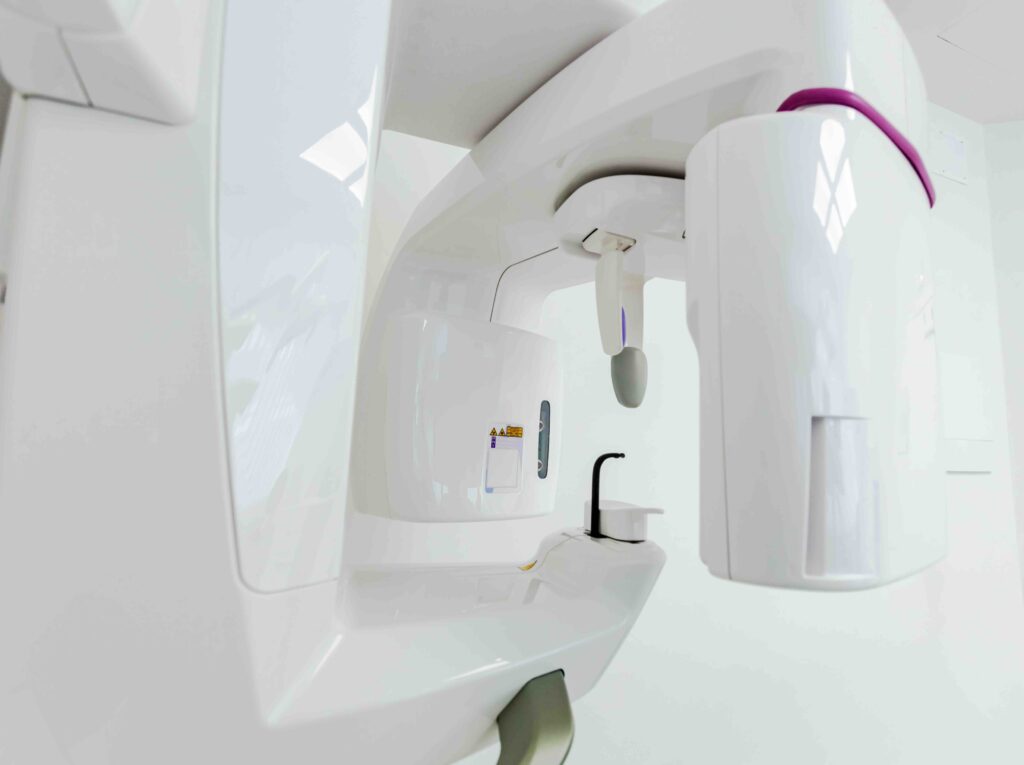
A careful office will usually take 3D imaging when indicated, review your medical history in detail, and discuss whether a night guard, periodontal therapy, or grafting should be part of the plan. If the consultation feels rushed or the case is presented as easy without any real diagnostics, that is worth noticing.
How long healing takes before an implant becomes durable
Durability starts with healing. Most implants are not loaded fully the day they are placed, although immediate temporary restorations are possible in some cases. Bone needs time to integrate with the implant surface. That process often takes several months. The exact timeline depends on the location, bone quality, whether grafting was done, and how much initial stability the implant had at surgery.
Patients understandably focus on when the visible tooth will be attached, but the deeper issue is whether the foundation is ready. Rushing the process can compromise outcomes. A delayed approach is not glamorous, but it can be the wiser choice.
A good rule of thumb is that the first year tells you a lot. If the implant heals well, remains stable, the gums stay healthy, and the bite is balanced, the long-term outlook improves significantly. Problems can still occur later, of course, but a calm first year is encouraging.
Signs an implant is doing well
A healthy implant usually feels uneventful. That is a good thing. It should feel stable when you chew. The gums around it should look pink and firm rather than red or puffy. There should be no pain, no mobility, and no persistent bad taste or drainage.
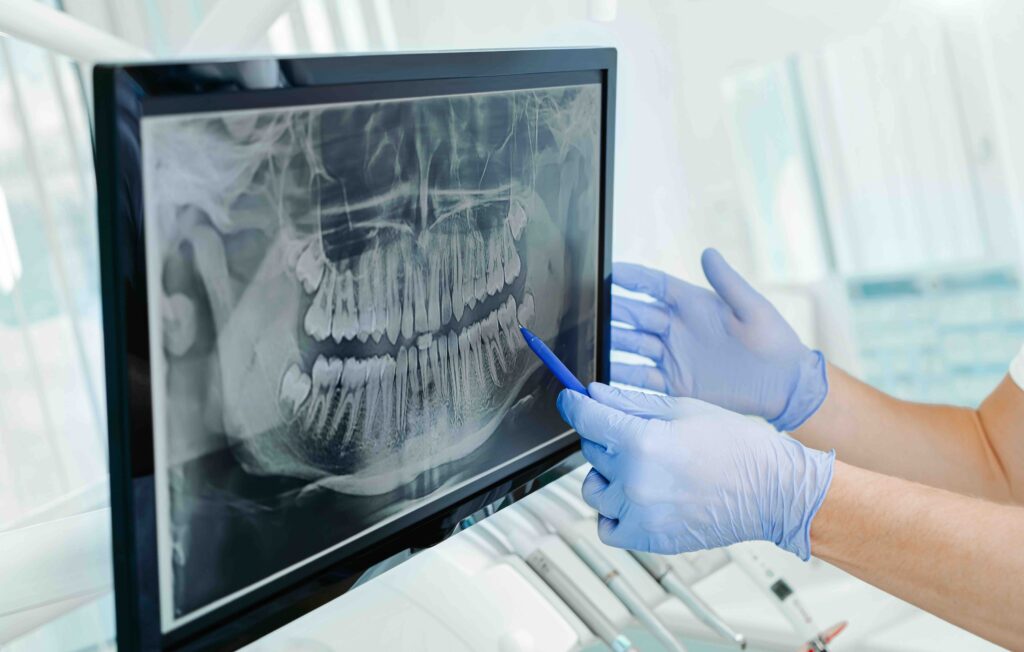
Radiographs over time should show stable bone levels or only minimal changes after the initial healing and remodeling phase. Small maintenance issues can arise without threatening the implant, but the general pattern should be boring in the best sense of the word.
If an implant feels strange, do not wait for it to “settle.” Natural teeth sometimes have transient sensitivity. Implants should not become sore, loose, or tender on their own months or years after placement without a reason.
The most common reasons patients think an implant failed
Sometimes the implant is fine and another part of the system needs attention. I have seen patients assume the worst when the problem was repairable.
- A crown comes loose because the retaining screw loosened.
- Porcelain chips from heavy bite pressure or an accidental hard bite.
- Food traps around the implant because the contact point has shifted.
- Gum inflammation develops from plaque buildup, even though the implant remains stable.
- A night grinder wears down the restoration faster than expected.
These issues still require prompt care, but they do not all mean the implant post needs to be removed. One of the practical benefits of a well-planned implant system is that components can sometimes be repaired or replaced without losing the implant itself.
Maintenance is what turns a good implant into a long-lasting one
This is where long-term success is either protected or quietly undermined. Once the implant is restored, the job is not over. The maintenance phase matters enormously.
Brushing twice a day sounds obvious, but technique matters around implants. Flossing or using other cleaning aids around the implant is often necessary, especially if the shape of the crown creates plaque-retentive areas. Professional cleanings are not optional for most patients. They allow the team to check tissue health, monitor bone levels, and catch early problems before they become expensive ones.
For patients with a history of gum disease, shorter recall intervals are often appropriate. For patients who clench or grind, a night guard may be one of the best investments they can make after implant treatment. It is not dramatic, but it protects the restoration from chronic overload.
A practical maintenance routine usually includes the following:
- home care tailored to the implant design
- regular hygiene and exam visits
- periodic radiographs when clinically appropriate
- bite checks if you grind, clench, or notice changes
- early treatment for any bleeding or inflammation around the implant
That kind of follow-through is not exciting, but it is what often separates the implant that lasts 8 years from the implant that lasts 25.
Dental Implants Calabasas CADoes the location of the implant change its lifespan?
Yes, sometimes. Front teeth often face lower chewing loads than molars, though they can still be stressed by habits like nail biting or using the teeth as tools. Molars absorb much stronger forces and may be more vulnerable to mechanical complications, particularly if the patient grinds.
Single-tooth implants also behave differently from implant bridges or full-arch cases. A single implant replacing one missing tooth can be very successful when conditions are right. Full-arch restorations can also perform beautifully, but they involve more complex engineering and maintenance. If one component has a problem, the effect can be broader.
The upper jaw and lower jaw can behave differently as well because of bone density. None of this means one area is good and another is bad. It means the treatment plan should respect the local anatomy and function.
Cost and longevity are related, but not in the way people think
Many patients naturally ask whether paying more means the implant will last longer. Sometimes higher cost reflects better diagnostics, better materials, better laboratory work, a more experienced surgical team, or more complex care. Those things can improve predictability. But price alone is not a guarantee.
The better question is whether the plan is biologically sound and mechanically thoughtful. Was enough time spent evaluating the site? Was grafting recommended when necessary? Was the bite designed carefully? Was the restoration made with durability in mind? Those factors tend to matter more than whether the quote was the highest or lowest in town.
Cheap implant dentistry can become expensive if corners are cut. At the same time, the most expensive option is not automatically the best. What you want is experience, transparency, and a plan built around your mouth rather than a one-size-fits-all package.
When replacement becomes necessary
Even a well-maintained implant restoration may eventually Dental Implants Calabasas CA need an update. Crowns wear. Materials age. Gum contours can change. Adjacent teeth can move or require treatment. None of that means the original work was poor. Dentistry exists in a living system, and time changes that system.
If the implant post remains healthy, replacing the crown years later is usually much easier than replacing the whole implant. If the implant itself fails because of bone loss, fracture, or loss of integration, removal and site development may be needed before considering another implant. That process is more involved, which is why preventive maintenance is so valuable.
A practical answer for patients weighing their options
So, how long do dental implants last in Calabasas CA? In many cases, the implant post can last decades and may last for life. The visible restoration on top often has a shorter lifespan, commonly in the 10 to 15 year range, though some last longer with good care. The difference between a durable implant and a short-lived one often comes down to planning, healing, hygiene, bite forces, and ongoing maintenance.
Patients who do best tend to share a few traits. They choose an experienced provider, address gum disease before implant placement, follow healing instructions, keep regular recall visits, and protect the work if they grind at night. They also understand that “permanent” does not mean “maintenance-free.”
If you are researching Dental Implants Calabasas CA, focus on finding a team that talks honestly about longevity instead of making broad promises. Ask how they manage risk factors. Ask what they will monitor over time. Ask what happens if the crown chips or the bite changes years later. Those conversations tell you a great deal about the quality of care you are stepping into.
Dental implants can be one of the most reliable treatments in modern dentistry when they are done for the right reasons and maintained properly. Not perfect, not eternal in every part, but often remarkably durable, and for many patients, life-changing in the most practical ways.
Oaks Dental
5000 Parkway Calabasas, Suite 308
Calabasas, CA 91302, United States
Phone: +1 (818) 412-8349
FAQ About Dental Implants Calabasas CA
How much does a dental implant cost in California?
Costs vary with the number of teeth replaced, restoration type, imaging, and any extractions or bone grafting. Request an itemized estimate after an examination; a single advertised price may not include every treatment stage.
Can people with autoimmune disease get dental implants?
Some people may qualify, but the condition, medications, oral health, and healing risks require individual assessment. Share your medical history with your dentist, who may coordinate with your treating physician.
Can you have dental implants if you have osteopenia?
Osteopenia does not by itself establish whether implants are suitable. Your dentist must evaluate jawbone support and review bone-related medications and other risks before recommending treatment.