Dental Implants and Nutrition: Eating Well During Recovery
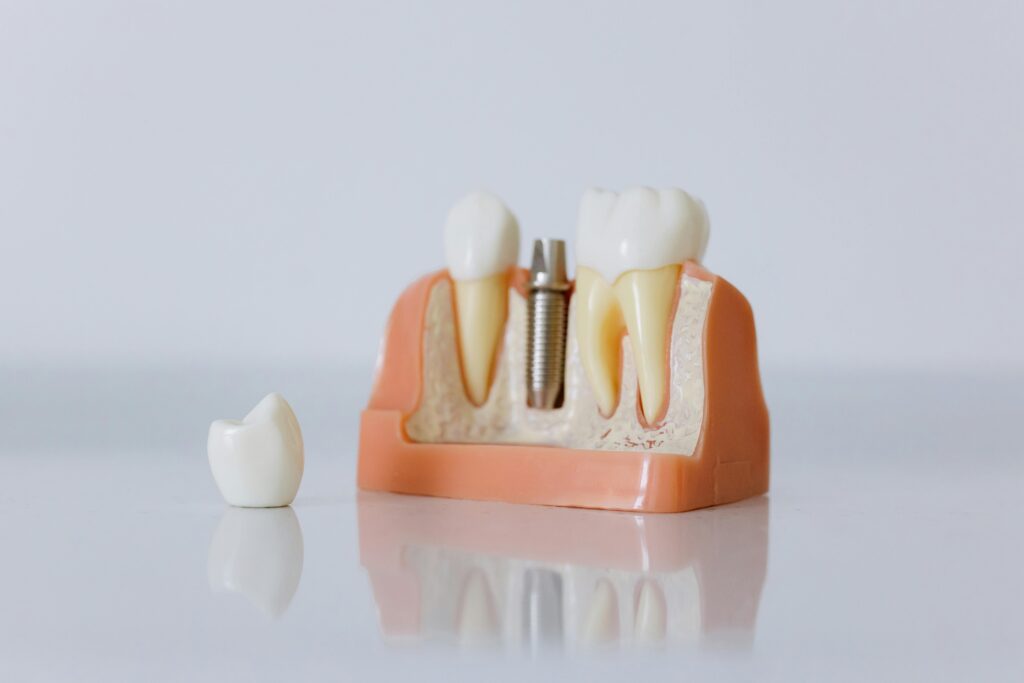
Dental implant recovery is not only a surgical issue, it is also a nutrition issue. The quality of what you eat in the days and weeks after placement affects comfort, swelling, energy, and how easily you move through healing. Patients often focus on the procedure itself, then get home and realize the practical challenge starts at the dinner table. Chewing feels awkward. Temperature matters. Hunger is real, but appetite can dip. A decent recovery diet has to solve all of that at once.
The good news is that eating well after implant surgery does not require a complicated plan. It requires timing, texture awareness, and enough protein and calories to support tissue repair without irritating the surgical site. In practice, the best recovery diets are simple, repetitive for a few days, and built around foods that are gentle but still substantial.
That balance matters because under-eating is more common than many people expect. Some people are so cautious about protecting the implant area that they end up living on broth and applesauce for too long. Others go back to crunchy toast, chips, or grilled meat within a day or two because they feel “mostly fine,” then irritate the site and set themselves back. Recovery usually goes more smoothly when patients respect both sides of the equation, softness and nourishment.
Why food choices matter after implant surgery
A dental implant is placed into bone, but the early healing you notice day to day happens in the surrounding gum tissue as well. Your body needs energy and building blocks to manage inflammation, repair soft tissue, and begin the long process of integration. Protein supports tissue repair. Fluids help circulation and comfort. Micronutrients such as vitamin C, zinc, and iron play supporting roles in normal healing. None of this means you need a perfect diet. It means your body will do better with real nourishment than with a string of skipped meals and sugary snacks.
Texture matters just as much as nutrient content. Hard, sharp, sticky, or crumbly foods can disturb the surgical area, especially in the first several days. Tiny particles can lodge where you do not want them. Strong chewing forces can make the site sore. Very hot foods and beverages may increase discomfort early on, particularly while the tissues are still tender. Most people recover more comfortably when they lean into cool or lukewarm, soft, easy-to-swallow foods at first.
There is also a comfort factor that should not be overlooked. Eating enough keeps blood sugar steadier and can make prescribed medications easier to tolerate. Many patients who feel shaky, tired, or mildly nauseated after surgery improve once they have had some fluid, protein, and a little carbohydrate. A recovery menu is not only about healing the mouth, it is about helping the whole person feel more stable.
The first 24 to 48 hours
The earliest phase is usually the most restrictive. Numbness, mild bleeding, pressure, swelling, and tenderness can make eating awkward. During this period, the goal is not culinary variety. It is hydration, gentle calories, and avoiding anything that could disrupt the area.
Cold or cool foods tend to be easiest right after surgery. Smooth textures are often best. This is the time for yogurt, pudding, cottage cheese, protein shakes, blended soups that have cooled somewhat, mashed avocado, hummus, scrambled eggs if tolerated, and oatmeal that is soft rather than chewy. If the procedure was extensive, even spooning food toward the non-surgical side may feel more comfortable.
A point that surprises people is how important total intake is on day one. If you have been anxious, had a long appointment, or are taking pain medication, your appetite may not match your needs. Small portions every few hours can work better than trying to sit down for a full meal. A six-ounce yogurt, a smoothie with Greek yogurt and banana, or a bowl of pureed soup may not feel like much, but several of those feedings over the course of a day can prevent the “I suddenly feel awful” slump that often comes from eating too little.
The other practical issue is temperature. Very hot coffee, soup, or tea is usually better postponed at first. Lukewarm is safer and typically more comfortable. If you are using ice or cold packs for swelling, cold foods often feel naturally soothing. Just avoid using a straw, since suction can be a problem after oral surgery.
Building a recovery menu that actually sustains you
The strongest recovery diets are not built around “soft foods” in the abstract. They are built around the same fundamentals as any sound meal pattern, protein, carbohydrates, healthy fats, and fluids, modified for texture.
Protein deserves special attention because it is the nutrient patients most often under-consume after oral procedures. Soft foods can become carb-heavy very quickly. Mashed potatoes, pudding, applesauce, and ice cream go down easily, but they do not do much for satiety or tissue repair on their own. A better approach is to pair softness with substance. Greek yogurt gives more protein than regular yogurt. Blended lentil soup offers more staying power than plain broth. Eggs, soft fish, tofu, cottage cheese, ricotta, and protein-fortified smoothies help close the gap.
Carbohydrates are not the enemy during recovery. In fact, they are useful because they provide accessible energy when you are eating less overall. The key is to choose options that are gentle and not overly processed when possible. Oatmeal, mashed sweet potato, soft rice, well-cooked pasta, bananas, and blended soups usually work well. They are easier to manage than crusty bread or chewy bagels, and they combine well with protein sources.
Fats help too, especially when appetite is low. A spoonful of peanut butter blended into a smoothie, full-fat yogurt, avocado, olive oil stirred into soup, or soft scrambled eggs can add calories without requiring much volume. This matters because some patients lose weight unintentionally during the first week simply because eating feels like work. A modest calorie boost from soft fats can prevent that.
Hydration is the quiet foundation underneath all of it. Dry mouth, mouth breathing, medications, and reduced intake can all make dehydration more likely. Water is best, but milk, electrolyte drinks with reasonable sugar levels, smoothies, and soups contribute as well. A patient who says, “I just feel drained,” often has not been drinking much.
Foods that usually work well
A practical recovery kitchen does not need to be fancy. It needs foods that are soft, easy to prepare, and balanced enough to carry you through a few days without much effort.
- Greek yogurt, cottage cheese, ricotta, and soft scrambled eggs
- Smoothies made with milk or fortified alternatives, fruit, yogurt, and protein powder if needed
- Blended or pureed soups such as lentil, tomato, squash, or chicken and vegetable
- Oatmeal, cream of wheat, mashed potatoes, mashed sweet potatoes, and soft rice
- Soft proteins such as flaky fish, tofu, shredded chicken moistened well, or beans blended into soups
What makes these foods helpful is not only softness. It is their flexibility. A plain bowl of mashed potatoes is easy, but mashed potatoes enriched with olive oil, Greek yogurt, or pureed white beans are more sustaining. Tomato soup is comforting, but tomato soup paired with ricotta or blended with cannellini beans becomes a more complete meal. Small upgrades like that can make a noticeable difference over several days.
What to keep off the menu for a while
The foods that cause trouble after dental implants are fairly predictable. Crunchy foods can traumatize the site. Sticky foods can pull and cling. Tiny seeds and grains can wedge into healing tissue. Chewy meats can force too much pressure. Spicy or acidic foods may sting if the area is raw.
Patients are sometimes surprised that healthy foods make the worst early choices. A seeded multigrain toast, a kale salad, granola, popcorn, or roasted nuts are all nutritious in another context, but not ideal while the tissues are fresh. The same goes for foods that fragment into sharp bits, tortilla chips and crusty pizza can be especially irritating.
Coffee and alcohol deserve a judgment call rather than a blanket rule in every case. Many surgeons recommend avoiding alcohol early because it can interfere with healing and interact poorly with medications. Coffee depends more on timing, temperature, and your clinician’s instructions. A very hot drink immediately after surgery is generally unwise. A lukewarm coffee a bit later may be acceptable for some people, but it should not replace hydration or irritate the area. Follow the guidance you were given for your specific case.
The first week is where habits help
Once the first day or two have passed, many people feel noticeably better and assume they can eat normally. This is where experience matters. “Feeling better” does not necessarily mean the tissues are ready for full chewing loads. If you test your limits too aggressively, soreness tends to return fast.
A steadier approach works better. Keep textures soft, then gradually add foods that require a little more chewing, especially on the opposite side if only one area was treated. Think soft pasta, tender fish, meatloaf, moist rice bowls, soft-cooked vegetables, pancakes, or finely shredded chicken with plenty of sauce. If a food demands effort, save it for later.
One common mistake is staying too long on an all-sweet recovery diet. After three days of smoothies, pudding, flavored yogurt, and ice cream, many patients feel foggy and unsatisfied. Savory Dental Implants Oaks Dental foods often improve both appetite and nutrition. A warm bowl of blended vegetable soup with added beans or chicken, soft scrambled eggs with avocado, or mashed sweet potato with cottage cheese can be a relief after a run of sugary options.
Another issue is constipation from pain medication, reduced activity, and lower fiber intake. The answer is not raw vegetables and bran cereal on day two. It is more fluid, soft fiber sources, and enough total food. Oatmeal, pureed lentil soup, mashed beans, prunes stewed until soft, chia soaked thoroughly into pudding if tolerated, and fruit smoothies can all help without being harsh.
Protein targets without overcomplicating things
Most adults recover better when each meal or snack contains a meaningful dose of protein. The exact amount varies by body size, age, and medical needs, but a practical aim is often somewhere around 20 to 30 grams at main meals, with smaller amounts in snacks if total intake is low. That is not a rigid prescription, just a useful benchmark.
Here is what that looks like in real food. A cup of Greek yogurt may provide roughly 15 to 20 grams. Two eggs give about 12 grams. A scoop of protein powder can add another 20 or more depending on the product. A cup of cottage cheese usually lands in the 20 gram range. A bowl of lentil soup may contribute 10 to 18 grams depending on portion and recipe. When patients combine foods, protein adds up quickly.
This matters more for some groups than others. Older adults often need more intentional protein planning because appetite can fall quickly after procedures. People already eating lightly, those with low body weight, and anyone healing from multiple implants or additional grafting often benefit from extra focus here as well. If chewing remains difficult for longer than expected, liquid or semi-solid protein sources become especially valuable.
Micronutrients, supplements, and common sense
Patients often ask whether they need a supplement stack to heal properly after Dental Implants. Usually, a strong overall diet does more than most supplement routines. If you already take prescribed supplements for a known deficiency, continue according to your clinician’s advice. If you do not, it is better to focus first on real food and hydration than to throw several new products into the mix.
Vitamin C is often discussed because of its role in collagen formation and wound healing. Citrus can be too acidic early on for some people, but vitamin C is not limited to oranges. Smooth purees made from berries, kiwi if tolerated, mango, cooked carrots, tomatoes in soup, and blended vegetable soups can contribute. Zinc and iron come from meats, legumes, dairy, and fortified foods. Calcium and vitamin D matter for long-term oral and bone health, though they are not magic short-term recovery tools.
Supplements can have downsides. Large doses can upset the stomach, interact with medications, or create false confidence that diet no longer matters. If your intake is clearly inadequate because you simply cannot eat enough, a balanced nutrition shake can be useful for a few days. That is different from assuming a handful of pills can compensate for chronic under-eating.
Special situations that change the plan
Not every implant recovery is straightforward. A single implant in a healthy adult with no grafting is different from full-arch work, multiple implants, sinus lift procedures, or significant bone grafting. The more extensive the procedure, the longer the period of strict texture modification tends to be. In those cases, planning ahead becomes much more important.
Patients with diabetes need an especially steady nutrition pattern. Healing can be affected when blood glucose runs high, but going too long without eating can also create problems, particularly if medications are involved. Soft, balanced meals with protein and controlled carbohydrates tend to work best. A smoothie loaded with juice and ice cream may be easy to drink, but it is usually not the most stable choice.
Vegetarians and vegans can do very well after implant surgery, but they need to think ahead about texture-friendly protein. Silken tofu, soy yogurt, blended bean soups, lentil dal cooked until very soft, mashed beans, fortified plant milks, and plant protein powders can cover a lot of ground. The challenge is usually variety and calorie density rather than absolute feasibility.
People with low appetite, nausea, or dental anxiety often need the simplest plan of all. They do better with small, frequent portions than with ambitious meals. A half smoothie at 10 a.m., yogurt at noon, soup at 2 p.m., mashed avocado and eggs at 5 p.m., and pudding with protein added at night is not glamorous, but it can carry recovery surprisingly well.
A sample day that works in real life
Morning might start with lukewarm oatmeal made soft, stirred with milk and a spoonful of peanut butter, plus scrambled eggs on the side if tolerated. If that sounds like too much, a smoothie with Greek yogurt, banana, oats, and milk covers similar territory in a gentler format.
Lunch can be blended soup with a piece of very soft fish or tofu, or tomato soup enriched with ricotta and served with mashed potatoes or soft pasta. The key is to make lunch substantial enough that the afternoon does not become a graze on sweets.
An afternoon snack of cottage cheese with mashed fruit, yogurt, or a nutrition shake often bridges the gap well. Dinner might be soft rice with shredded chicken moistened in broth, or mashed sweet potato with flaky salmon and well-cooked vegetables. None of this is complicated. It is just intentional.
Signs your recovery diet needs adjusting
Sometimes patients are technically following the “soft foods” rule but still not eating in a way that supports recovery. A few red flags show up repeatedly in practice.
- You are hungry often, tired, or lightheaded because meals are too small or too low in protein
- You are relying mainly on sugary foods and drinks, then feeling energy crashes later
- You have increasing soreness because you returned to crunchy or chewy foods too soon
- You are constipated from low fluids, low fiber, or medication effects
- You are losing weight rapidly or cannot meet basic intake for more than a day or two
When these issues show up, the solution is usually not dramatic. It is a matter of adjusting texture, adding protein, increasing fluids, and distributing food across the day more consistently. If pain, swelling, or bleeding is making it impossible to eat, that is different and should be discussed with your dental team.
The long view after the soft-food phase
Once your dentist or oral surgeon clears you to broaden your diet, nutrition remains relevant. Dental Implants are a mechanical restoration, but the tissues around them still benefit from the same habits that support natural teeth and gum health. That means a pattern rich in protein, fiber, minimally processed foods, and adequate calcium and vitamin D, while keeping highly sugary foods and constant snacking in check.
This is also the phase when chewing confidence returns gradually. Some patients baby the implant side for longer than they need to because the experience made them wary. Others forget about the area completely. Both reactions are understandable. The best path is measured. Resume more normal textures as instructed, pay attention to comfort, and maintain regular follow-up care.
A final practical note from the recovery side of things: prepare before surgery if you can. The patients who do best usually have a few meals ready, protein-rich foods in the refrigerator, and a realistic understanding that eating may be inconvenient for several days. That bit of preparation removes friction at the exact moment you are least interested in making decisions.
Healing after Dental Implants is rarely about one perfect superfood or one magic supplement. It is about enough calories, enough protein, enough fluids, and textures that respect the surgical site. Get those right, and recovery tends to be steadier, more comfortable, and a good deal less stressful.
Oaks Dental
5000 Parkway Calabasas Suite 308
Calabasas, CA 91302, United States
+1 818-431-2000
FAQ About Dental Implants
What is the downside of a dental implant?
Implants require surgery and a healing period that can last several months. Possible complications include infection, nerve or sinus injury, damage to nearby teeth and failure to bond with bone. Your dentist should assess your health, bone support and alternatives before recommending treatment.
What do dental implants typically cost?
There is no single price for every implant case. The number of teeth replaced, implant components, final restoration and any grafting or extractions affect the total. Request a written estimate covering every stage and confirm insurance benefits and out-of-pocket costs with the practice.
How long do tooth implants last?
An implant can provide long-term support and may last a lifetime with good oral hygiene and regular dental care, but this is not guaranteed. The crown or other restoration may need replacement sooner. Smoking, gum disease and some health conditions can reduce implant success.