Dental Implants and Gum Disease: What’s the Connection?

Dental implants have changed what is possible in restorative dentistry. For many adults, they offer something dentures and bridges often cannot fully deliver: stability, chewing confidence, and a replacement tooth that feels anchored rather than borrowed. But implants do not exist in isolation. They depend on the health of the tissues around them, especially the gums and underlying bone. That is where gum disease enters the conversation, and it is often the deciding factor between a straightforward case and a difficult one.
Patients sometimes assume that once a natural tooth is gone, the problems that affected it disappear too. If gum disease contributed to the loss of that tooth, the mouth has already shown a pattern of chronic inflammation and bacterial imbalance. Replacing the missing tooth with an implant does not erase that history. In many cases, it means the patient needs even closer maintenance, not less.
Understanding the connection between Dental Implants and gum disease is essential for anyone considering treatment, as well as for those who already have implants and want to protect them for the long term.
Why gum health matters before an implant is ever placed
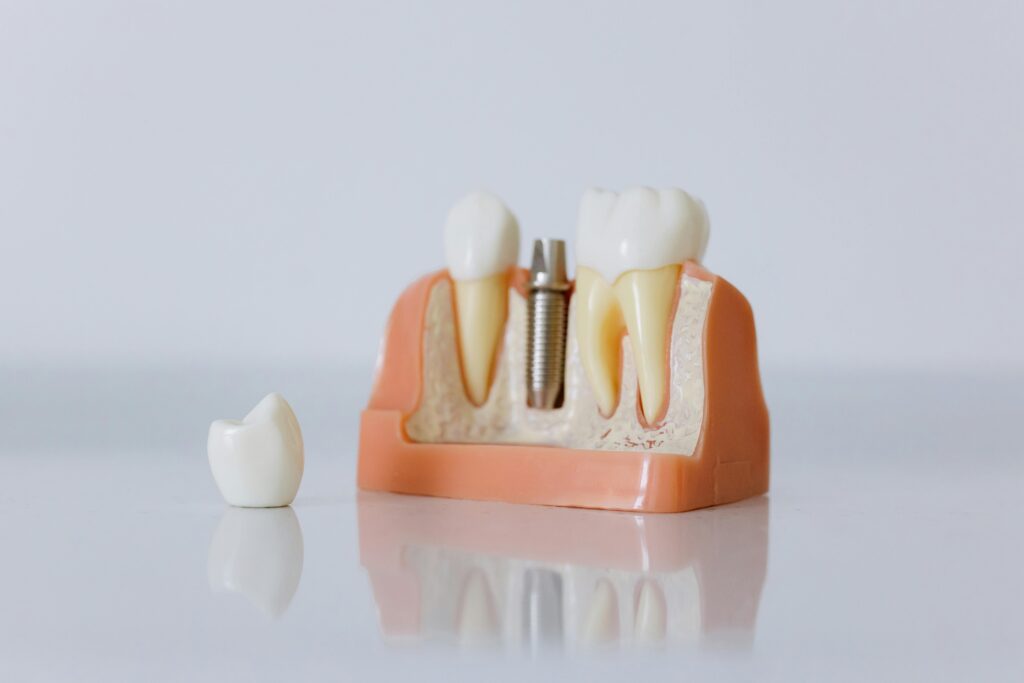
A dental implant is not simply a screw in bone. It becomes part of a biological system. The implant must fuse to the bone through a process called osseointegration, and the soft tissue around it must form a healthy seal. If the gums are inflamed, infected, or detached from the teeth and bone in the surrounding area, that environment becomes much less favorable.
Think of it this way: an implant can be made from excellent materials and placed with precise technique, but it still relies on the body to heal well around it. Gum disease interferes with healing because it brings persistent inflammation, harmful bacteria, and often some degree of bone loss. Those three factors are exactly what an implant does not want.
This comes up often in practice. A patient may arrive eager to replace a missing molar, but during the exam it becomes obvious that the more urgent problem is generalized periodontitis, with bleeding gums, periodontal pockets, and loose plaque control. In that scenario, placing an implant first would be poor judgment. The mouth needs to be stabilized before restoration begins. Sometimes patients find that frustrating, but it is usually the difference between a predictable result and an expensive failure.
Gum disease can lead to tooth loss, and also complicate tooth replacement
Gum disease, especially in its more advanced forms, destroys the supporting structures around teeth. It starts with inflammation of the gums, often triggered by plaque buildup. Left untreated, it can progress to periodontitis, where the infection extends deeper and causes breakdown of connective tissue and bone. Teeth may drift, loosen, and eventually need extraction or may be lost on their own.
At that point, implants can be an excellent option, but the same disease process that damaged the natural teeth may still be active. That is why dentists and periodontists look beyond the empty space. They assess the whole mouth. Are there deep pockets elsewhere? Is there active bleeding on probing? Has the patient had regular periodontal treatment? Is bone loss localized, or is it widespread? Is home care strong enough to support an implant?
These questions matter because periodontal disease is not just a single-site problem. It is often a chronic condition that requires ongoing control. A patient with a history of severe gum disease can absolutely receive implants, but the planning has to be more deliberate.
The two implant-related gum problems patients should know
There are two inflammatory conditions around implants that mirror what happens around natural teeth. Knowing the difference helps patients understand why maintenance is so important.
- Peri-implant mucositis is inflammation of the gum tissue around an implant without bone loss. It often shows up as redness, puffiness, tenderness, or bleeding during brushing or professional probing.
- Peri-implantitis is a more advanced condition in which inflammation around the implant is accompanied by loss of supporting bone. Over time, this can threaten implant stability and may lead to implant failure if not treated.
That distinction is more than academic. Mucositis is often reversible when caught early. Peri-implantitis is more serious, harder to manage, and sometimes surprisingly silent in its early stages. Patients do not always feel pain until significant damage has occurred.
Implants do not get cavities, but they can still fail from infection
One of the common misconceptions about Dental Implants is that they are somehow maintenance-free because they are not natural teeth. It is true that an implant crown cannot decay the way enamel does. But the tissues around the implant remain vulnerable to bacterial biofilm, inflammation, and bone loss.
In some ways, the tissue attachment around implants is less forgiving than around natural teeth. A natural tooth has a periodontal ligament and a different connective tissue architecture. An implant lacks that ligament. The soft tissue seal around it is effective, but once disturbed by chronic plaque accumulation or mechanical irritation, it may be easier for inflammation to progress into deeper tissues.
This is why a patient can say, quite sincerely, “But I brush every day,” and still develop trouble around an implant. Brushing matters, of course, but technique, access, gum contour, crown design, dry mouth, smoking status, and past periodontal history all influence risk. A beautiful implant restoration can become difficult to keep clean if the contours are bulky or the patient cannot thread floss or interdental cleaners underneath effectively.
Who is at higher risk?
Not every implant patient carries the same risk profile. The people most likely to run into trouble around implants are usually those with a combination of biological and behavioral risk factors rather than one issue alone.
A patient with a previous history of periodontitis is often in a higher-risk category. That does not mean implants are a bad idea. It means the case should be managed with eyes open. If that same patient also smokes, misses cleanings, and struggles with daily plaque control, the risk rises further. Diabetes, particularly when poorly controlled, can also complicate healing and long-term tissue stability. Grinding and clenching matter too, especially when combined with inflammation, because overload and infection are a bad pairing.
One of the more subtle risks is the passage of time. Implants can look excellent for years, then develop inflammation later if maintenance slips. It is not unusual to see a patient five or seven years after implant placement who says, “It was fine until recently.” Often, the problem did not begin recently. It simply became noticeable recently.
Why periodontal treatment often comes first
When active gum disease is present, treatment usually starts with controlling infection and reducing inflammation before implant placement is considered. This may include deep cleaning below the gumline, improved home care instruction, removal of hopeless teeth, and in some cases surgical periodontal therapy. If bone has been lost, grafting may be part of the plan before or during implant treatment.
This staging is not a delay for the sake of delay. It is basic risk management. Inflamed tissue bleeds more, heals less predictably, and hides the true shape of the defect. Once the gums are healthier, the clinician can evaluate whether enough bone remains for an implant, whether grafting is needed, and whether the patient can maintain the area.
Patients often appreciate this more when it is explained plainly: the goal is not just to place an implant, but to place one that can still be functioning ten or fifteen years from now.
Bone loss changes the implant conversation
Advanced gum disease frequently leaves behind less bone than an implant ideally needs. That affects both feasibility and aesthetics. In the back of the mouth, reduced bone volume may limit implant size or location and make sinus or ridge augmentation necessary. In the front, where appearance matters most, bone and gum loss can create a flatter ridge and less natural-looking soft tissue contours.
This is where expectations need to be realistic. Patients may imagine a perfect replacement that looks exactly like the original tooth, but when severe periodontal destruction has altered the architecture of the ridge, the result may require compromise. Skilled grafting and careful restorative design can produce excellent outcomes, yet biology sets certain limits.
A practical example is the upper front tooth lost after years of gum disease. Replacing it with an implant may be possible, but if the gum line has receded and the facial bone plate is thin or missing, the restoration may need pink ceramic or additional tissue shaping to look natural. The earlier gum disease is controlled, the more treatment options remain open.
How clinicians decide whether an implant is a good idea
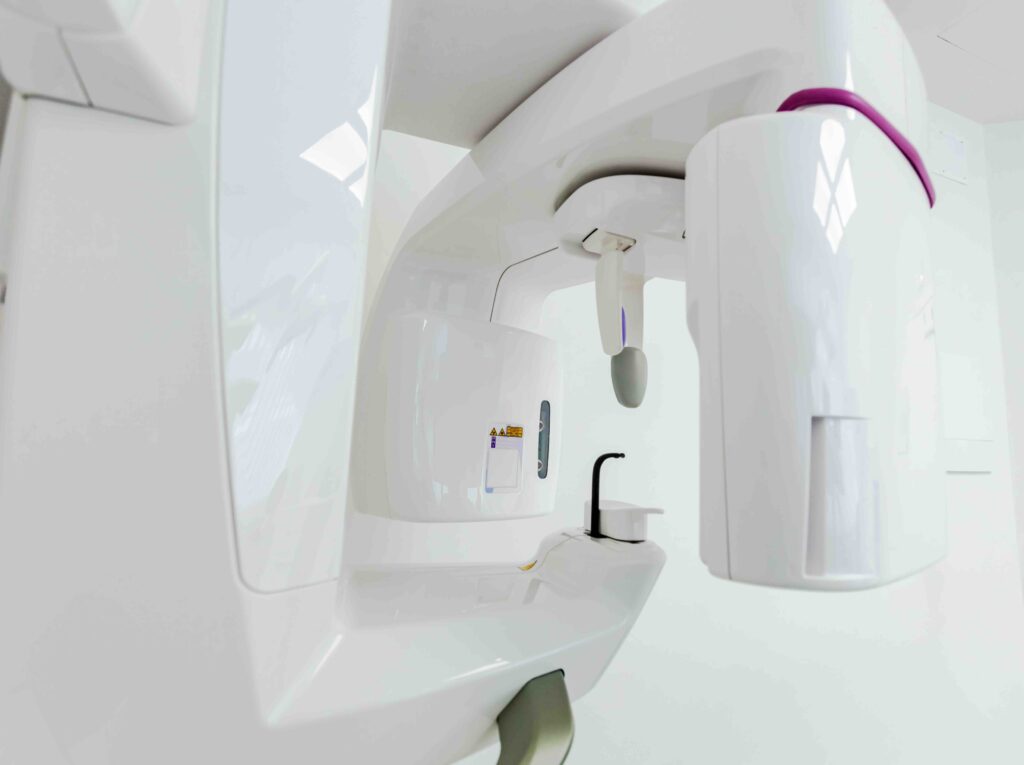
A sound implant assessment looks at more than the missing tooth site. It includes full periodontal charting, imaging, bite analysis, medical history, and a candid review of habits and maintenance capacity. Sometimes the answer is yes, proceed. Sometimes the answer Dental Implants is yes, but only after periodontal therapy. And sometimes the best answer is a different treatment option.
That last point is worth saying clearly. Not every patient is well served by implants. A removable partial denture or a conventional bridge may be the safer choice if periodontal disease is uncontrolled, dexterity is limited, or repeated maintenance is unlikely. There is no prestige prize for receiving an implant. The best treatment is the one the patient can maintain successfully.
Signs of trouble around an existing implant
Implant problems do not always announce themselves loudly. Pain is not a reliable early warning sign. A patient may have significant inflammation with little or no discomfort. That is why routine follow-up matters.
The warning signs that deserve prompt attention include:
- bleeding when brushing, flossing, or at a hygiene visit
- redness, swelling, or a puffy gum margin around the implant
- bad taste, drainage, or recurrent tenderness in one spot
- deepening pockets around the implant or bone loss seen on X-rays
- a sense that the implant crown or the implant itself feels different under biting pressure
Not every one of these signs means the implant is failing, but each one deserves evaluation. The earlier the issue is identified, the more treatment options are usually available.
Treatment for peri-implant disease is rarely one-size-fits-all
Managing inflammation around implants can be straightforward or frustratingly complex, depending on how early the disease is caught and how the implant was originally positioned and restored. For peri-implant mucositis, non-surgical therapy and better plaque control are often effective. This may involve professional debridement using implant-safe instruments, antimicrobial support where appropriate, and improved home cleaning methods.
Peri-implantitis is another matter. Once bone loss is involved, treatment may require flap surgery to gain access, decontaminate the implant surface, reduce pocket depth, and sometimes rebuild lost bone. Results vary. Unlike natural teeth, implants with roughened surfaces and threaded geometry can be difficult to detoxify completely once bacteria colonize them below the gumline. Some cases stabilize well. Others continue to deteriorate despite treatment. Occasionally, implant removal is the most honest and appropriate option.
That uncertainty is one reason prevention matters so much. It is easier to preserve healthy tissue than to rebuild tissue after breakdown.
Maintenance makes or breaks long-term success
The patients who do best with Dental Implants tend to treat them as restorations that require partnership. Good surgery matters. Good prosthetic design matters. Daily care and regular professional review matter just as much.
What that looks like in practical terms depends on the case. Some patients need three-month periodontal maintenance intervals rather than the standard six-month hygiene visit. Others benefit from electric toothbrushes, interdental brushes sized to fit the spaces, floss threaders, or water flossers for difficult access. The right tool is the one the patient will actually use, correctly and consistently.
Smoking cessation can make a meaningful difference, both before and after implant placement. So can better diabetes control. These are not cosmetic lifestyle suggestions. They affect tissue response, healing, and the ability to keep inflammation in check.
A maintenance visit for an implant patient is also not the same as a quick polish. A thorough review includes checking the soft tissues, probing where appropriate, comparing radiographs over time, evaluating the bite, and confirming that the restoration remains cleansable. Even a small excess of retained cement under a crown margin can trigger inflammation and should not be missed.
What patients can do to lower their risk
Most implant complications do not come down to a single mistake. They develop through accumulation: plaque left undisturbed, appointments postponed, bleeding ignored, health issues unmanaged. The good news is that risk can often be reduced with steady habits rather than heroic effort.
A short prevention checklist is useful here:
- treat active gum disease before starting implant therapy
- keep periodontal maintenance visits on schedule
- clean around implants daily with methods recommended for your specific restoration
- report bleeding, swelling, or a bad taste early rather than waiting
- reduce major risk factors such as smoking and uncontrolled diabetes where possible
None of these steps guarantees a perfect outcome, but together they substantially improve the odds.
The emotional side of the decision
There is also a human side to this topic that clinical descriptions do not always capture. People seeking implants are often tired of dental problems. Some have lost teeth after years of infection, embarrassment, or difficulty eating. By the time they ask about implants, they want a durable answer and a sense of closure.
That is understandable, but it can make the conversation about gum disease harder. Being told that more treatment is needed before the implant can be placed may feel like moving backward. In practice, it is the opposite. It is the groundwork that gives the restoration a fair chance.
Experienced clinicians learn that the patients who succeed long term are not necessarily those with the easiest cases. They are often the ones who understand the biology, accept the maintenance, and stay engaged. A patient with a history of severe periodontitis who keeps meticulous recall appointments may do far better than a low-risk patient who disappears for three years.
When an implant can still be an excellent choice
None of this should discourage someone from considering implants if they have had gum disease. Many people with a periodontal history go on to have stable, functional implants for years. The key is careful selection, disease control, realistic planning, and long-term follow-through.
An implant can be a very strong option when gum disease is treated and stable, enough bone is present or can be predictably grafted, and the patient is committed to maintenance. In fact, for someone missing a tooth because of periodontitis, an implant may be a better choice than a fixed bridge if the neighboring teeth are already compromised and should not be further prepared.
That judgment depends on the whole clinical picture. It is not a decision to make based on a single X-ray or a quick consultation. The best plans are usually built slowly, with attention to what caused the tooth loss in the first place.
The connection, stated plainly
The connection between Dental Implants and gum disease is direct. Gum disease can cause tooth loss, reduce the bone and soft tissue needed for implant placement, increase the risk of complications during healing, and threaten implants later through peri-implant disease. At the same time, a history of gum disease does not automatically rule implants out. It simply changes the way they should be planned and maintained.
The real question is not whether implants and gum disease are connected. They are. The more useful question is whether the disease has been brought under control well enough for an implant to succeed in the real conditions of that patient’s life. When the answer is yes, implants can be one of the most reliable tools in modern dentistry. When the answer is no, the smartest move is to address the gum disease first, then revisit restoration from a healthier starting point.
Oaks Dental
5000 Parkway Calabasas Suite 308
Calabasas, CA 91302, United States
+1 818-431-2000
FAQ About Dental Implants
What is the downside of a dental implant?
Implants require surgery and a healing period that can last several months. Possible complications include infection, nerve or sinus injury, damage to nearby teeth and failure to bond with bone. Your dentist should assess your health, bone support and alternatives before recommending treatment.
What do dental implants typically cost?
There is no single price for every implant case. The number of teeth replaced, implant components, final restoration and any grafting or extractions affect the total. Request a written estimate covering every stage and confirm insurance benefits and out-of-pocket costs with the practice.
How long do tooth implants last?
An implant can provide long-term support and may last a lifetime with good oral hygiene and regular dental care, but this is not guaranteed. The crown or other restoration may need replacement sooner. Smoking, gum disease and some health conditions can reduce implant success.