Can Smokers Get Dental Implants?
The short answer is yes, smokers can get dental implants. The more honest answer is that smoking makes implant treatment less predictable, healing slower, and complications more likely. That does not mean every smoker is a poor candidate, and it does not mean implant treatment is automatically off the table. It means the conversation has to be more careful, more specific, and more grounded in biology than many people expect.
Dentists and oral surgeons see this issue every week. A patient loses a tooth, wants a fixed replacement, and also smokes cigarettes, vapes nicotine, or uses tobacco in another form. The patient often asks one of two questions. Either, “Will you refuse to place implants because I smoke?” or “I know smoking is bad, but is it really that big a deal?” The right answer sits between those extremes. Smoking matters a great deal, but it is one risk factor among several. How much it matters depends on how heavily someone smokes, what kind of implant work is planned, whether bone grafting is needed, how stable the bite is, and whether the patient can stop smoking during the most critical healing period.
Dental implants succeed by integrating with living bone. That process, called osseointegration, is not a passive event. Bone has to remodel, blood supply has to be adequate, inflammation has to stay controlled, and bacteria around the implant have to be kept in check. Smoking interferes with almost every part of that process. Nicotine constricts blood vessels. Heat and smoke irritate tissues. Tobacco use is linked to poorer wound healing and higher rates of infection. Many smokers also carry a higher burden of gum disease, which matters because implants placed into mouths with active periodontal problems are already at a disadvantage.
Still, the answer is not as simple as “smokers cannot get dental implants.” Plenty of smokers do receive implants that function for years. Some do very well. Some do well after they quit. Others have early failures, or they lose bone around the implant over time. The key is understanding where the risks are highest and what can be done to reduce them.
Why smoking changes the equation
When an implant is placed, the bone around it goes through a healing sequence that depends on oxygen delivery, circulation, and a stable immune response. Smoking compromises those systems in ways that are clinically relevant, not just theoretical.
In practice, one of the first differences clinicians notice is how soft tissue behaves. Gums in smokers may look thicker or more fibrotic, but they often do not heal as cleanly after surgery. There can be delayed closure, more irritation at the incision line, and a less robust blood supply. That matters even in straightforward implant cases. It matters even more when the treatment plan includes extractions, bone grafting, sinus lifts, or multiple implants.
Then there is the bone itself. An implant does not simply “screw in and stay there.” The body has to accept it and lock it in place biologically. Smokers, especially heavier smokers, have lower and less predictable healing capacity. If integration is weak in the first few weeks, the implant can fail before it is ever restored with a crown. In some cases the implant becomes mobile. In others, it remains in place initially but loses support over time as inflammation builds around it.
A point patients often miss is that smoking affects both early and late outcomes. Early failure means the implant never integrates properly. Late failure often shows up as bone loss around an implant that once seemed successful. This is one reason some smokers say, “My implant was fine at first, then years later I had trouble.” Both phases matter.
The real risks, without exaggeration
It is tempting to look for a single percentage that answers everything. Clinical life is rarely that neat. Studies differ because they involve different patient groups, implant systems, follow-up times, and smoking habits. Even so, the trend is consistent enough that most experienced implant dentists take it seriously. Smokers, on average, have higher implant failure rates than non-smokers, and they also have a higher risk of peri-implant disease, meaning inflammatory problems in the gum and bone around an implant.
How large is the difference? It varies. In some lower-risk cases, the gap is modest. In more complex cases, especially those involving grafting or a history of gum disease, the difference can become substantial. A patient who smokes a few cigarettes a day and has excellent oral hygiene is not the same as a patient who smokes a pack or more daily, has uncontrolled periodontitis, and wants full-arch implant treatment. Lumping those people together is one reason online answers are often misleading.
The most common complications seen in smokers include poor wound healing, implant failure during integration, deeper gum pockets around the implant, progressive bone loss, and increased long-term maintenance problems. Smokers also tend to accumulate more plaque and calculus in many cases, which complicates hygiene around the implant crown and under bridges.
That said, risk is not destiny. A well-planned implant in a smoker can still succeed. But it needs the kind of planning that respects biology rather than trying to overpower it.
Are some smokers better candidates than others?
Yes, absolutely. “Smoker” is too broad a category to be useful by itself. Frequency, duration, type of tobacco or nicotine product, and timing around surgery all make a difference.
A patient who quit six months ago is in a far better position than a patient who is still smoking daily. A patient who smokes socially on weekends is not in the same category as someone finishing twenty cigarettes every day. Someone who can stop before surgery and stay off nicotine during early healing may be workable even if they have a long smoking history. A patient who says, “I cannot stop at all, even for a few days,” presents a different level of risk.
Dental ImplantsThe shape of the treatment matters too. Replacing one lower premolar in healthy bone is usually more forgiving than rebuilding the upper back jaw with a sinus lift and multiple implants. The upper jaw often has softer bone to begin with, and smoking tends to amplify the challenge. Bone grafts are another turning point. Grafts need a reliable blood supply and a calm healing environment. Smoking undermines both.
Age also interacts with the picture, though not always in the way patients expect. An older patient who smokes lightly but keeps excellent periodontal maintenance appointments may be a better implant candidate than a younger heavy smoker with poor hygiene and active gum disease. The issue is not age alone. It is the whole biologic and behavioral profile.
How much smoking is too much?
Patients usually want a bright line. Clinicians usually cannot give one with complete honesty. There is no universal cutoff that makes implants safe below it and unsafe above it. Risk rises along a spectrum.
Heavy smoking is clearly more concerning than light smoking. Long-term smoking is more concerning than a short history. Smoking during the days immediately before and after surgery is especially problematic because that is when blood flow and early tissue repair matter most. Even a few cigarettes during the first healing week can work against a fresh surgical site. In day-to-day practice, that early period is where many oral surgeons place their strongest emphasis.
One experienced pattern worth mentioning is that some patients say they will “cut back” and then discover that cutting back is not enough to change the biology very much. Five fewer cigarettes a day sounds meaningful, but if the patient still smokes regularly through the surgical window, the local effects on tissues may remain significant. Temporary cessation tends to be far more valuable than partial reduction, though full quitting is obviously best.
The timing that matters most
If a smoker is serious about giving implants the best chance, the most important period is not some vague future date. It is the window before and after surgery. Stopping smoking before implant placement improves oxygenation and circulation. Staying off it afterward protects the earliest stages of healing, when the implant is trying to integrate with bone and the gums are trying to seal around the site.
The exact recommendations vary by clinician, but many implant dentists and surgeons encourage patients to stop for at least several days to a few weeks before surgery and continue abstaining for at least a few weeks afterward. Longer is better. Quitting permanently is better still. In reality, some patients manage a full stop, some use nicotine replacement under medical guidance, and some cannot quit but can pause during healing. Even that pause can matter.
This is the point where honesty is critical. If a patient tells the surgeon, “I’ll quit,” but continues smoking right after the procedure, treatment planning may become falsely optimistic. The better approach is straightforward communication. A dentist can only estimate risk based on real behavior, not ideal behavior.
What about vaping, nicotine pouches, and other forms of nicotine?
This question comes up more now than it did even a few years ago. Many patients assume vaping is harmless in the implant setting because there is no smoke. That is too simple. While traditional cigarette smoke carries well-known harmful effects on tissue healing, nicotine itself is still a concern because it affects blood flow and may impair healing dynamics. Vaping also introduces heat and chemical exposure to oral tissues, and the long-term implant-specific data are still developing.
Nicotine pouches and smokeless tobacco remove some factors and preserve others. They may avoid combustion, but nicotine exposure remains, and placement of tobacco products against gum tissues brings its own local problems. A patient switching from cigarettes to another nicotine product has not necessarily removed the biologic risk that matters most to implants.
Clinically, most surgeons still prefer no nicotine at all during the healing phase if that is achievable. If it is not, the discussion may need to involve both the dental team and the patient’s physician to weigh the role of nicotine replacement versus continued smoking. The answer will differ from one patient to another.
Gum disease often matters more than patients realize
A large share of smokers seeking implants also have a history of periodontal disease. Sometimes it is active and obvious. Sometimes it is old disease that seems “under control” but has already caused bone loss and recession. This history matters because implants are not immune to the same inflammatory environment that damaged the natural teeth.
A patient can lose teeth to gum disease, replace them with implants, and then develop inflammation around the implants if the underlying hygiene and maintenance habits do not change. Smoking adds fuel to that process. In the chair, this often shows up as bleeding, pocketing, bone loss on X-rays, or a gradual loosening of tissues around the implant crown.
Many difficult implant cases are not really smoking-only cases. They are smoking plus past periodontal destruction plus inconsistent home care plus missed maintenance visits. That cluster is where trouble lives. An implant may survive in spite of one risk factor. Survival gets less likely as risks stack.
When a dentist may advise against implants, at least for now
There are cases where a responsible clinician will say no, or at least not yet. That is not punishment. It is judgment.
If someone is a heavy smoker with uncontrolled diabetes, active gum disease, poor oral hygiene, and no willingness to pause smoking during healing, the odds may simply be unfavorable. The same goes for patients who need extensive grafting in compromised bone but are not prepared to modify habits that directly affect blood supply and infection risk. In those cases, a bridge or removable denture may be the safer and more predictable route, at least until health and habits improve.
This can be frustrating for patients, especially if they feel judged. The better practitioners explain that declining or delaying treatment is not about morality. It is about protecting the patient from an expensive failure.
How surgeons try to improve the odds
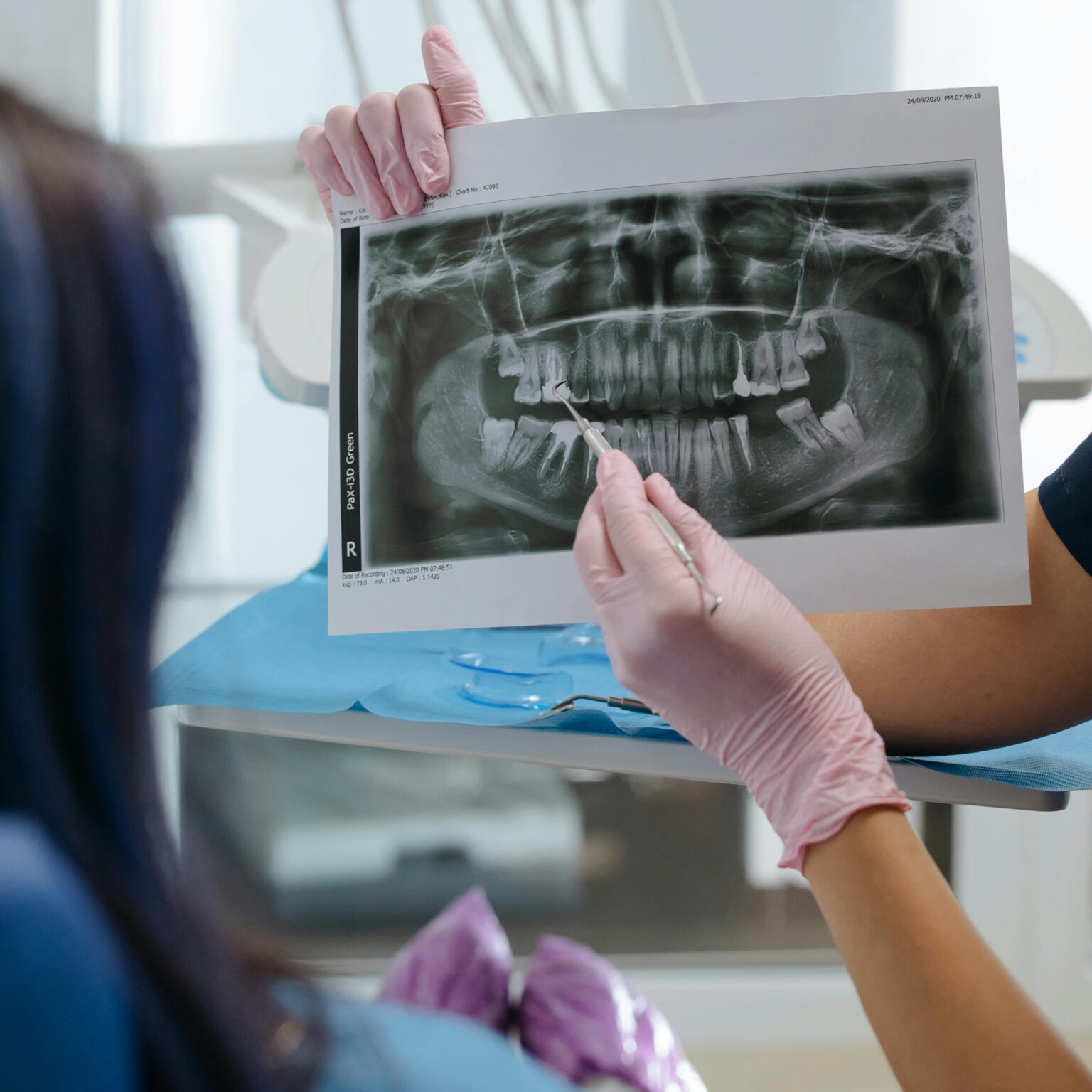
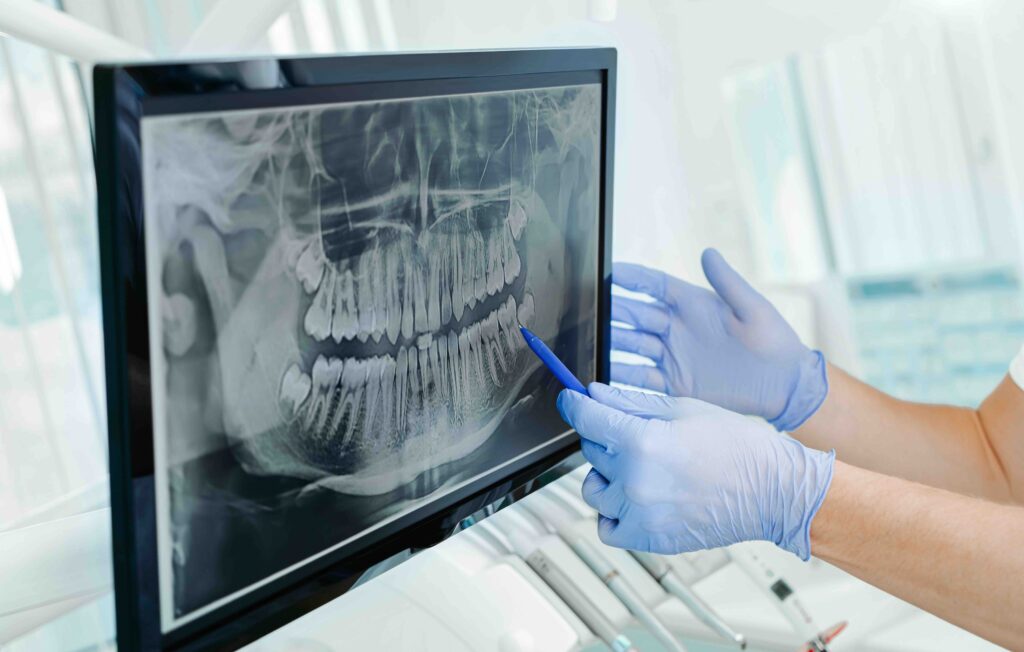
Implant treatment for a smoker should not be treated as routine just because implants are common. Planning often becomes more conservative and more deliberate. Surgeons may want a detailed 3D scan, careful evaluation of bone quality, and a more guarded discussion about whether immediate implant placement is wise. Sometimes staging the treatment leads to better outcomes. For example, an extraction may be done first, then the site allowed to heal, then the implant placed later under calmer conditions.
The restorative plan matters too. Overloading a fresh implant is never a good idea, and in a smoker the tolerance for overload may be even lower. Bite forces need to be managed carefully. Hygiene access around the final crown or bridge must be practical, not just aesthetically pleasing. If the prosthetic design traps plaque, the implant may pay for that design flaw later.
There are also moments where less treatment is actually better treatment. A patient who wants several implants might be better served by fewer implants in stronger positions, or by a prosthetic design that reduces surgical burden. Experience often teaches restraint.
What smokers can do to improve implant success
The patients who tend to do best are not necessarily the ones with the cleanest medical history. They are often the ones who engage with the process seriously. They treat implant surgery as a biologic event that requires preparation and follow-through.
Here are the most helpful moves a smoker can make:
- Stop smoking before surgery if possible, and remain nicotine-free through the early healing period.
- Get any gum disease treated before implant placement.
- Follow cleaning and medication instructions exactly, especially during the first two weeks.
- Keep all review appointments so healing can be checked early.
- Commit to long-term maintenance, including professional cleaning and home care around the implant.
Those steps sound simple, but they change outcomes. In clinical practice, the difference between a patient who disappears after surgery and one who returns regularly for maintenance can be dramatic.
What the consultation should sound like
A good implant consultation for a smoker is specific. It should not be a sales pitch, and it should not be a lecture. The dentist should ask how much the patient smokes, what form of nicotine they use, whether they can stop, whether they have had gum disease, and whether they have conditions like diabetes that affect healing. Imaging should be reviewed carefully, especially in the upper jaw or in sites needing grafts.
The patient should leave with a clear understanding of what success looks like, what the failure scenarios are, and what part of the outcome is in their control. Vague reassurance helps nobody. Neither does theatrical fear.
Questions worth asking include:
- Based on my smoking history, how much higher is my risk in this specific case?
- Do I need bone grafting, and does smoking change the recommendation?
- How long do you want me to stop smoking before and after surgery?
- If an implant fails, what are the next options and costs?
- Would a bridge or denture be more predictable for me right now?
That kind of conversation tends to separate thoughtful treatment planning from cosmetic marketing.
Single tooth implants versus bigger cases
Not all implant cases carry the same burden. Replacing one missing tooth in a healthy, stable mouth is often the most manageable scenario. Full-arch cases, multiple implants, and procedures requiring grafting raise the stakes sharply. Smokers sometimes assume that if one implant can work, a larger rehabilitation should work the same way. It does not.
The more surgery involved, the more the tissues are asked to do. The more implants present, the more maintenance matters. The longer the bridge, the more costly a complication can become. This is particularly relevant in “teeth in a day” style treatment, where immediate loading may be oaksdentistry.com Dental Implants part of the appeal. These cases can be successful, but in smokers the planning has to be conservative, and the risk discussion needs to be unusually clear.
If an implant fails, does that mean another one cannot be placed?
Not necessarily. A failed implant does not always close the door. Sometimes the implant is removed, the site heals, grafting is done if needed, and another implant is attempted later under better conditions. But the second attempt should include a careful review of why the first one failed. If the patient continued smoking through healing, had uncontrolled bite forces, or neglected hygiene, repeating the same plan is not much of a plan.
Second attempts can work. They can also be harder, slower, and more expensive. Bone may need to be rebuilt. Soft tissue may be less ideal. The emotional effect matters too. Patients who expected a straightforward fix can lose confidence after a failure. That is one reason upfront realism is so important.
The financial side that rarely gets discussed honestly
Implants are not just a clinical decision. They are a financial one. Smoking raises the risk that additional procedures may be needed, whether that means extra follow-up, grafting, replacement after failure, or treatment of peri-implant inflammation years later. Patients deserve to understand that increased biologic risk can translate into increased cost over time.
This does not mean smokers should never invest in implants. It means they should do so with open eyes. A less expensive bridge that lasts predictably may be a wiser choice for one patient. For another, quitting smoking and moving ahead with implants may be entirely reasonable. Good treatment planning is not only about what can be done, but what remains sensible under the circumstances.
So, can smokers get dental implants?
Yes, but the better question is whether they can get dental implants with a level of risk they understand and accept. Smoking does not automatically disqualify someone. It does move the case into a more cautious category. The biology is less forgiving, especially when gum disease, grafting, or heavy nicotine use are part of the picture.
The best outcomes tend to happen when patients are candid about their smoking, willing to stop during healing, and committed to maintenance afterward. The worst outcomes usually happen when smoking is minimized, hygiene is inconsistent, and the treatment is presented as routine when it is not.
Dental implants can be life-changing for smokers who are prepared for the trade-offs. They can also be disappointing when the risk is brushed aside. The difference often comes down to timing, tissue health, smoking behavior around surgery, and whether the treatment plan respects the limits of the mouth it is being placed into.
Oaks Dental
5000 Parkway Calabasas Suite 308
Calabasas, CA 91302, United States
+1 818-431-2000
FAQ About Dental Implants
What is the downside of a dental implant?
Implants require surgery and a healing period that can last several months. Possible complications include infection, nerve or sinus injury, damage to nearby teeth and failure to bond with bone. Your dentist should assess your health, bone support and alternatives before recommending treatment.
What do dental implants typically cost?
There is no single price for every implant case. The number of teeth replaced, implant components, final restoration and any grafting or extractions affect the total. Request a written estimate covering every stage and confirm insurance benefits and out-of-pocket costs with the practice.
How long do tooth implants last?
An implant can provide long-term support and may last a lifetime with good oral hygiene and regular dental care, but this is not guaranteed. The crown or other restoration may need replacement sooner. Smoking, gum disease and some health conditions can reduce implant success.